InkedMag Homepage

@inked

Ink or Pour? | Dos Artes | Inked Mag
Tattoos from Day Four of Arizona Bike Week | AZBW 2026 | Inked Mag
Tattoos from Day Three of Arizona Bike Week | AZBW 2026 | Inked Mag
Day Two Tattoos From Arizona Bike Week | AZBW 2026 | Inked Mag
Check Out Some Day One Tattoos From Arizona Bike Week | AZBW 2026 | Inked Mag
Inked Bike Week Recap 🔥 Here’s What You Missed | Bike Week 2026 | Inked Mag
Z1R Brings Top of the Line Helmets to Arizona Bike Week with Inked | Inked Mag
Arizona Bike Week 2026 at Westworld | Inked Mag
"Ahhh A.I. got me!" | Cover Up Tattoos
"I'm going to cry RIGHT NOW!" | Memorial Tattoos
"You should have left that one a stencil..." | Illusion Tattoos
"EW! I've never seen a tattoo there before..." | Couples Tattoos
Inked Recommends
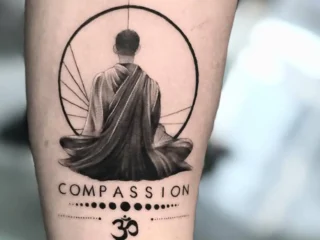
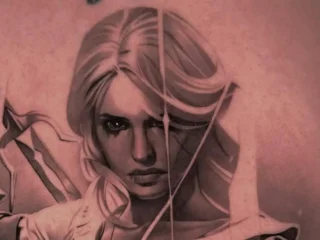
Art
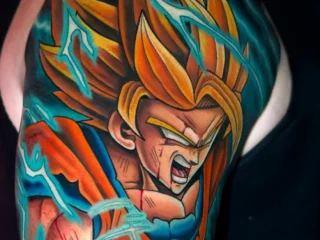
Culture
Music